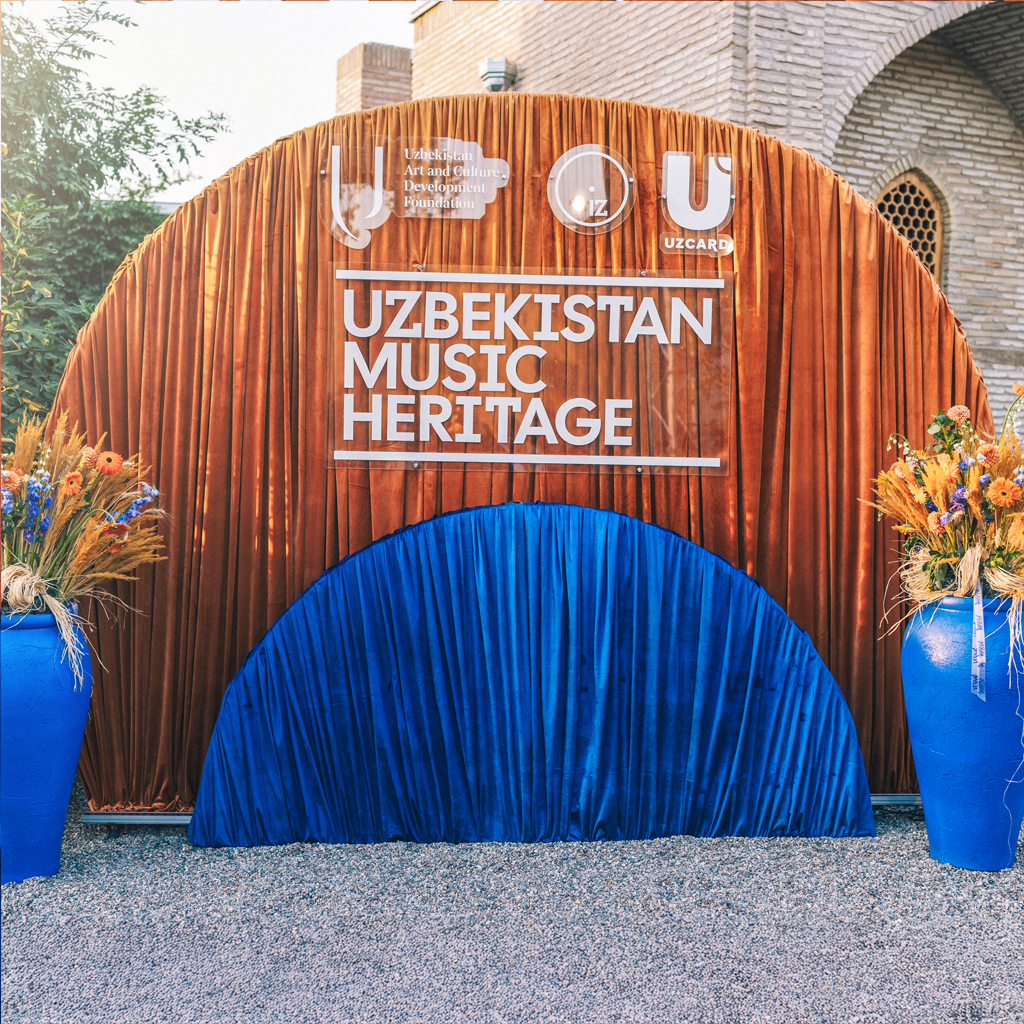
On August 20, the Namuna Art Residency hosted the presentation of the first vinyl release as part of the iz: Uzbekistan Music Heritage project—Sherali Juraev’s album “Oq Qayin”. The project, implemented with the support of UZCARD and the Uzbekistan Foundation for the Development of Culture and Arts, is dedicated to preserving the country’s musical heritage and bringing rare recordings by Uzbek artists from the 1960s–1990s back to a modern audience.
“Oq Qayin” kicks off a series of releases by the iz project, which works with archival materials, private collections, and rare recordings, many of which have remained virtually inaccessible to a wide audience for decades. The team’s goal is to research, restore, and preserve these recordings, while simultaneously creating a new context for them and giving them the opportunity to be heard by modern listeners.
Why “Oq Qayin”?
The first episode is dedicated to Sherali Juraev—one of the most significant performers of Uzbek music in the second half of the 20th century. His work exemplifies the fusion of contemporary poetry and national musical tradition.
The song “Oq Qayin,” written to lyrics by Nurali Kabul, reflects this approach and served as the starting point for a series of releases that will introduce listeners to the various periods, genres, and artists that have shaped Uzbekistan’s musical culture.
From an Archival Recording to a New Listener
This project is the result of many months of research and archival work. The iz team—comprising researchers, collectors, musicologists, and cultural managers—searches for rare recordings in public and private archives, as well as in personal collections.
The materials they find undergo professional restoration and digital mastering. In doing so, the specialists strive to preserve the character of the historical sound while eliminating technical defects in the original media.
As part of the project, 18 reissues by Uzbek performers and composers are planned for release over the next year. By the summer of 2027, five limited-edition vinyl records will be released, each with a run of 300 copies. Eight more digital reissues are scheduled for release by mid-2027.
Preserving Not Only Music, but Also History
The project’s particular significance relates to the fact that many recordings from the Soviet era are currently subject to complex legal and archival issues. The iz team continues to search for musicians, composers, their heirs, and other rights holders in order to establish the rights to the works and properly formalize the future use of the recordings.
In this way, the project combines research, preservation, restoration, and the modern re-release of Uzbekistan’s musical heritage.
“For us, this project is first and foremost about returning music to the people. Many of the recordings we find today in archives and private collections have hardly been heard in public for decades. ‘Oq Qayin’ marks the beginning of a major effort to ensure that this music once again becomes part of cultural life and is heard by a new generation,” noted Anvar Kalandarov, researcher and project director of iz.
UZCARD’s support for the project reflects the company’s commitment to participating in initiatives aimed at preserving cultural heritage and developing modern ways to access it.
“Culture is preserved not only in archives; it also continues to live on when people reconnect with it. For UZCARD, it is important to support projects that help preserve significant parts of Uzbekistan’s cultural heritage while simultaneously finding modern ways to connect them with an audience. The iz project creates precisely this link between the past and the present,” noted David Melikidze, CEO of “UCMG” LLC.
The presentation of “Oq Qayin” kicked off a series of upcoming iz releases: Uzbekistan Music Heritage. Ahead lie new artists, archival recordings, and stories that will offer a fresh perspective on Uzbekistan’s musical heritage.
UZCARD. Life, made easy.